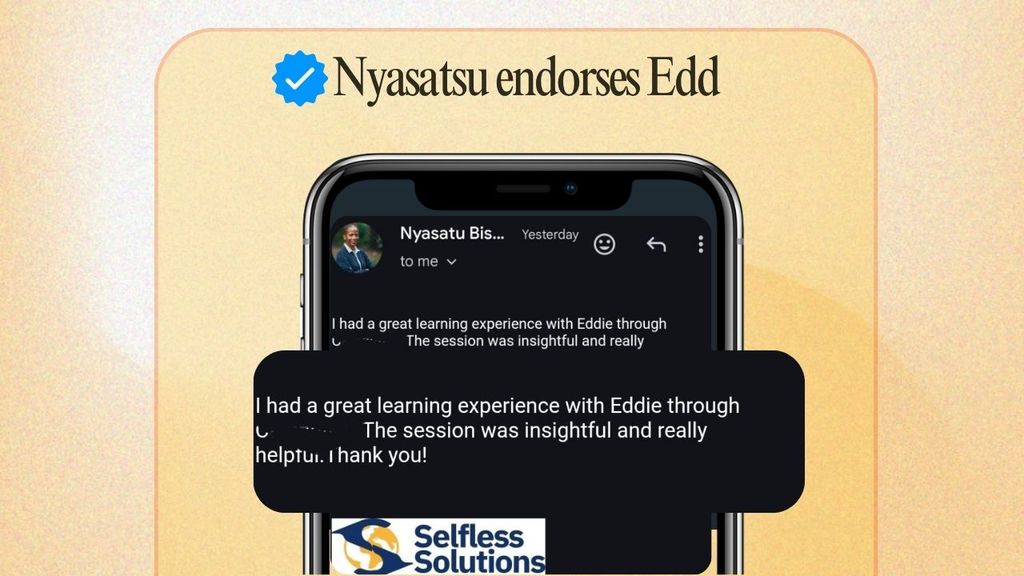
Nyasatu had meaningful work to communicate, but no simple system for turning programs into consistent public storytelling.
The organisation needed to speak to donors, community members, program partners, and launch audiences without flattening every message into the same generic nonprofit post.
Multiple program stories
Each initiative had different audiences, proof points, and emotional angles, which made a one-size content calendar too shallow. This mattered because the visible problem was only a symptom; the real cost was confusion, lost momentum, and unclear decisions across the client journey.
Donor confidence
Fundraising content needed to show progress, stewardship, and credibility without becoming cold or extractive. Without fixing this, better content or more effort would still have leaked value because the underlying system was unclear.
Launch pressure
The Shiriki program needed a clearer runway of awareness, education, proof, and call-to-action content. This is the kind of friction that quietly costs trust: users feel the inconsistency before they can name it.
Team capacity
The plan had to be usable by people doing the work, not just a polished strategy document. It also created an execution risk for the client, because the next campaign or handoff would repeat the same confusion.
I turned the organisation’s program work into a usable content system.
I built the strategy around repeatable themes, ethical storytelling, and practical templates so the team could keep publishing after the consultation ended.
Program-led calendar
I organised content around the work itself so each post had a reason to exist beyond keeping the feed alive. The strategic choice was to connect diagnosis to execution, so every recommendation had a reason and a practical next step.
Donor cultivation
I framed donor content around trust, outcomes, and continuity, because strong fundraising is built before the direct ask. That mattered because the recommendation was not just a task list; it gave the client a decision framework they could reuse.
Ethical storytelling
I pushed the messaging toward dignity and agency, which matters deeply when communicating community impact across borders. The work connected front-end presentation to back-end operations, which is where the project becomes more than surface polish.
Template thinking
I recommended repeatable formats so the team could move faster without losing quality or voice. My value here was translating messy platform behavior into practical steps the client could actually follow.
Nyasatu left with a clearer way to plan, publish, and fundraise.
The team had a structure for deciding what to post, why it mattered, and which audience each piece was serving. The business value is clearer action, better use of existing assets, and a stronger path from attention to trust.
The Shiriki program gained a practical content runway instead of relying on last-minute announcements. It gave the client a clearer standard for what to repeat, what to stop doing, and where to focus limited time.
Fundraising content became part of the wider relationship, not a sudden interruption asking for money. That makes the result more durable than a quick fix, because the client can keep using the system after the engagement.
The consultation gave the team a planning language they could reuse across campaigns and programs. It also positions me as the person who can find the hidden operational issue behind an apparently simple marketing problem.
The Operating Logic
I approached this as a content operating system, not a pile of post ideas.
When a nonprofit understands the role each post plays, content stops feeling like a chore and starts acting like relationship infrastructure.
Tools and Platforms I Applied
I recommended a practical stack that could support planning, visual consistency, and lightweight measurement without overwhelming the team.
I used a calendar structure to turn scattered program activity into a publishable rhythm the team could manage. It was applied as part of a larger operating system, turning individual tactics into a repeatable way of working.

I recommended Canva-style templates so visual production could stay consistent even without a dedicated designer. That made the tool valuable in context rather than just another app in the stack.

I treated these as different audience environments, with Instagram carrying visual story and Facebook supporting community and donor familiarity. I used it to translate strategy into a concrete workflow the client could understand and repeat.

I kept planning assets simple and collaborative so the system could live where the team already works. The practical edge is speed with consistency: fewer open questions, clearer ownership, and less wasted effort.
Frameworks that informed the strategy.
I drew on six relevant certifications and training areas selected specifically for the work I delivered in this case study.

Social channel strategy, audience engagement, and repeatable posting systems. I used this to differentiate Facebook's longer-form storytelling from Instagram's visual-first approach, giving Selfless Solutions a clear reason to post different content on each platform instead of cross-posting identically.
Audience-first content pillars, editorial planning, and balancing promotional versus valuable content. This directly shaped the 40/25/20/10/5 content-type distribution I built — weighting impact stories heavily while keeping fundraising asks deliberately low so donor content never felt extractive.
Conversion pathing, trust-building, and reducing friction from awareness to action. This informed the ethical storytelling guidance — centering African voices, avoiding savior narratives — because inbound's emphasis on earning attention through genuine value fit the nonprofit's mission far better than manipulative appeals.
Cross-channel funnel thinking across awareness, engagement, conversion, and retention. I applied this directly to the donor journey mapping, structuring content by stage — awareness, engagement, conversion, stewardship — so fundraising content matched where a supporter actually stood in the relationship.

Platform-specific thinking for Facebook and Instagram presence, visibility, and content mechanics. This backed the recommendation for 4-5 weekly Facebook posts reaching both the local Tanzanian community and international donors, paired with a polished, visual-first Instagram feed built around Stories and program Highlights.
Practical visual asset creation and brand-consistent template execution. I used this to guide a branded template library — one design per program — so staff could swap in new photos and text without starting from scratch, essential given their severe time constraints.
I can turn nonprofit program complexity into clear public storytelling.
Selfless Solutions ran four distinct programs with almost no content system connecting them, which is a common failure point for mission-driven organizations: the work is real, but the storytelling stays reactive because nobody has built a repeatable structure for turning programs into publishable content.
The fix wasn't more content — it was a framework distributing attention fairly across programs, mapping donor content to relationship stage, and giving a small team templates they could execute without a designer or an agency on retainer.
I can help turn programs, launches, and donor communications into a content system your team can actually maintain.
Four real programs, flattened into the same generic nonprofit post.
Without Edd
- Each program's distinct audience and proof points get lost inside one shallow, generic calendar
- Fundraising content risks feeling cold or extractive instead of building trust before the ask
- The Shiriki program launch lacks a clear runway of awareness, education, and proof content
- A polished strategy document sits unused by the small team actually doing the work
What Actually Happened
- A program-led calendar gave each post a real reason to exist beyond keeping the feed alive
- Donor content was reframed around trust, outcomes, and continuity, not a direct ask
- An ethical storytelling framework centered dignity and agency in cross-border community content
- Repeatable templates let the team keep publishing quality content after the consultation ended