Nick needed one content system to support two very different revenue paths: online beer sales and in-person taproom visits.
The brewery had constant content opportunities from sporting events, holidays, beer launches, food pairings, and taproom activity, but needed a coordinated calendar to turn those hooks into consistent marketing.
Dual-channel pressure
E-commerce content and taproom content needed different messages while still feeling like one brand. This mattered because the visible problem was only a symptom; the real cost was confusion, lost momentum, and unclear decisions across the client journey.
High content volume
Weekly newsletters, blog posts, original social posts, curated shares, and visuals created a workload most operators cannot sustain casually. Without fixing this, better content or more effort would still have leaked value because the underlying system was unclear.
Event opportunity
UK cultural and sporting calendars created powerful hooks, but only if planned in advance. This is the kind of friction that quietly costs trust: users feel the inconsistency before they can name it.
Craft audience sophistication
Beer enthusiasts notice generic content, so posts needed product knowledge and cultural fluency. It also created an execution risk for the client, because the next campaign or handoff would repeat the same confusion.
I built an event-led content ecosystem around both sales and footfall.
I developed annual planning logic, monthly content production, newsletters, blog ideas, social post structures, curated content, visual enhancement, and Social Pilot scheduling.
Event calendar
I turned the year itself into a content engine, so the brewery was not starting from zero every week. The strategic choice was to connect diagnosis to execution, so every recommendation had a reason and a practical next step.
Dual-objective messaging
I separated online buyers from local visitors while keeping both connected to the same brand voice. That mattered because the recommendation was not just a task list; it gave the client a decision framework they could reuse.
Beer culture fluency
I leaned into education, pairings, brewing insight, and community participation because craft audiences respond to authenticity. The work connected front-end presentation to back-end operations, which is where the project becomes more than surface polish.
Production scale
I built the system for volume: newsletters, blogs, daily posts, repeated assets, curation, and visuals working together. My value here was translating messy platform behavior into practical steps the client could actually follow.
The brewery gained a stronger foundation for consistent sales-supporting content.
The annual calendar gave the business advance visibility into campaigns, hooks, and seasonal opportunities. The business value is clearer action, better use of existing assets, and a stronger path from attention to trust.
Content could push e-commerce orders and taproom footfall without blending those objectives into mush. It gave the client a clearer standard for what to repeat, what to stop doing, and where to focus limited time.
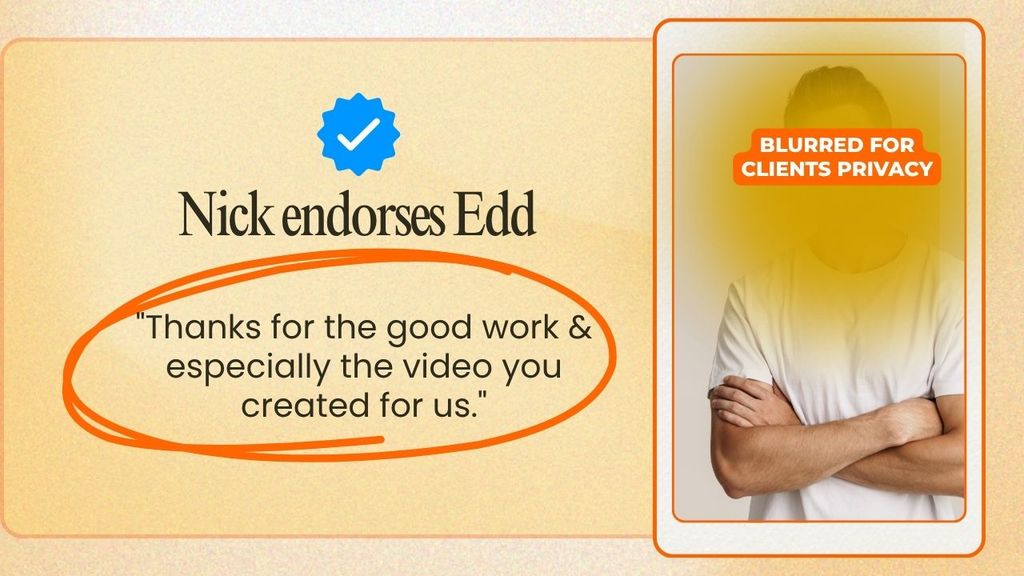
Nick’s testimonial highlighted the video as a particularly valuable deliverable. That makes the result more durable than a quick fix, because the client can keep using the system after the engagement.
The planned system supported newsletters, blogs, original social, curated content, and performance review. It also positions me as the person who can find the hidden operational issue behind an apparently simple marketing problem.
The Operating Logic
I treated content as a commercial operating rhythm.
It was a full content calendar that helped the brewery show up around the moments customers already cared about.
Tools and Platforms I Applied
The stack connected planning, production, scheduling, and visual polish.

I used scheduling and coordination logic to manage repeated content across platforms without daily manual scrambling. It was applied as part of a larger operating system, turning individual tactics into a repeatable way of working.
I structured weekly newsletter content around releases, events, education, and community. That made the tool valuable in context rather than just another app in the stack.
I used blog posts for deeper beer education, SEO value, and evergreen authority. I used it to translate strategy into a concrete workflow the client could understand and repeat.
I improved visuals so product and taproom content looked commercially credible. The practical edge is speed with consistency: fewer open questions, clearer ownership, and less wasted effort.
Certifications That Informed This Strategy
Six certifications, chosen for direct relevance to the high-volume, multi-channel content system built for this dual-revenue business.

Directly shaped the daily posting rhythm and 3x repetition strategy across Facebook, Instagram, and Twitter.
Informed the weekly newsletter structure balancing hero content, taproom updates, e-commerce spotlight, and education.
Guided the annual event calendar development and the bi-weekly blog content categories built for SEO and education.

Supported the graphic overlay work — event information, promotional text, and branded watermarking on photos.

Directly applied to the color correction and lighting adjustment work ensuring beer photography looked accurate and appetizing.

Informed the dual-objective framework connecting e-commerce and taproom content to distinct measurable outcomes.
Dual-channel businesses need one calendar, not two disconnected strategies.
If you run a business with both a physical location and e-commerce — a brewery, restaurant, retailer, or studio — your content has to serve two audiences without feeling fragmented. The event calendar itself is often the highest-leverage asset: sporting events, holidays, and cultural moments create natural hooks throughout the year, but only pay off with advance planning.
The volume required for genuine presence — newsletters, blog content, daily social posts, curated shares, and enhanced visuals — is real work that exceeds what most owner-operators can sustain casually. A systematic production workflow is what separates consistent brand presence from sporadic posting.
I can build the annual event calendar, dual-objective content framework, and production system that keeps both channels growing together.
Constant content opportunity, with no calendar turning it into consistent marketing.
Without Edd
- E-commerce and taproom content keep pulling in different directions instead of feeling like one brand
- Newsletters, blogs, and daily posts stay an unsustainable workload for a casual operator
- Sporting and cultural calendar hooks go unplanned, missing their advance-notice window
- Generic posts fail to earn attention from a craft audience that notices a lack of real product knowledge
What Actually Happened
- An annual event calendar turned the year itself into a content engine, not a weekly restart
- Online buyers and local visitors got separated messaging under one consistent brand voice
- Beer education, pairings, and brewing insight gave the account real craft-audience authenticity
- A production system built for real volume connected newsletters, blogs, posts, and visuals together