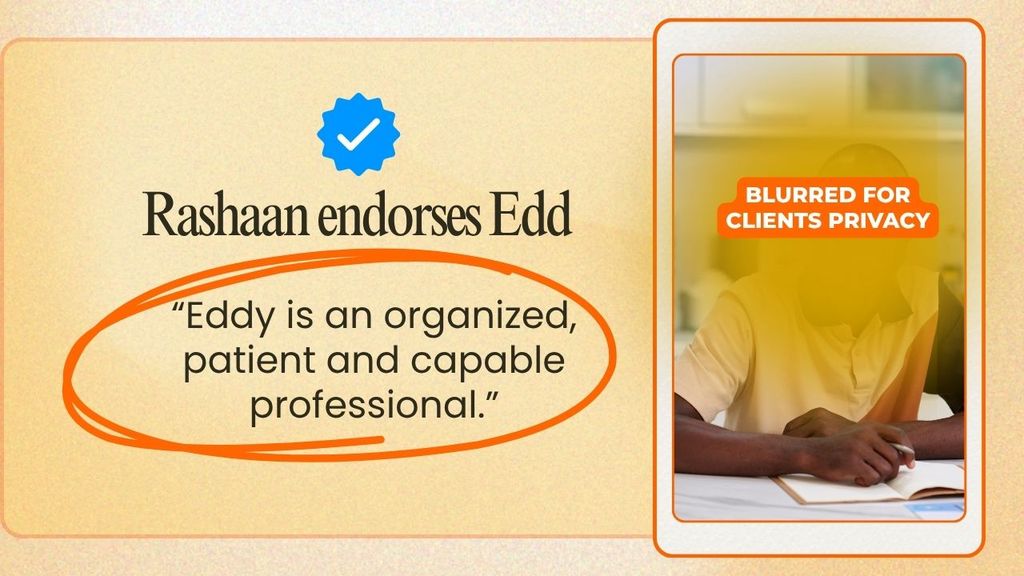
Rashaan needed content that could serve two audiences at once: sales representatives and end customers.
The business depended on representative activity, but the team lacked internal motivation materials and professional customer-facing collateral for outreach.
Dual audience
Sales reps needed recognition, motivation, and training, while customers needed product benefits, proof, and purchase prompts. This mattered because the visible problem was only a symptom; the real cost was confusion, lost momentum, and unclear decisions across the client journey.
Enablement gap
Representatives lacked ready-to-use assets, which made outreach less consistent and less professional. Without fixing this, better content or more effort would still have leaked value because the underlying system was unclear.
Brand consistency
Visual materials needed to feel organised across Instagram, Facebook, sales groups, and customer conversations. This is the kind of friction that quietly costs trust: users feel the inconsistency before they can name it.
Commerce connection
Social content needed to connect with WordPress/WooCommerce paths where customers could act. It also created an execution risk for the client, because the next campaign or handoff would repeat the same confusion.
I built a visual content and sales enablement system around the business model.
I analysed the sales force, segmented audiences, created Instagram calendar logic, designed visual assets, optimised social profiles, and organised content for representative use.
Business model fit
I started with how direct sales actually works, because generic social posts would not solve representative motivation or customer outreach. The strategic choice was to connect diagnosis to execution, so every recommendation had a reason and a practical next step.
Sales enablement
I treated content as a tool the sales force could use, not just decoration for the brand account. That mattered because the recommendation was not just a task list; it gave the client a decision framework they could reuse.
Visual system
I created consistent templates so the business looked more professional across repeated materials. The work connected front-end presentation to back-end operations, which is where the project becomes more than surface polish.
Commerce pathway
I connected content to WordPress/WooCommerce and profile actions so social attention could move toward sales. My value here was translating messy platform behavior into practical steps the client could actually follow.
The business gained organised content infrastructure for both motivation and selling.
The content supported representative morale and customer marketing rather than forcing one message to do both jobs. The business value is clearer action, better use of existing assets, and a stronger path from attention to trust.
Instagram and Facebook could look more coherent and commercially ready. It gave the client a clearer standard for what to repeat, what to stop doing, and where to focus limited time.
Representatives had clearer materials to use in outreach and follow-up. That makes the result more durable than a quick fix, because the client can keep using the system after the engagement.
The work gave Rashaan a more patient, structured way to scale content across people. It also positions me as the person who can find the hidden operational issue behind an apparently simple marketing problem.
The Operating Logic
I treated content as sales infrastructure.
That is why the strategy connected motivation, collateral, and commerce.
Tools and Platforms I Applied
The stack supported content creation, representative enablement, and customer action.

I used social profiles for product education, team recognition, customer proof, and calls to action. It was applied as part of a larger operating system, turning individual tactics into a repeatable way of working.

I built visual assets and templates for repeatable sales and motivation content. That made the tool valuable in context rather than just another app in the stack.

I connected social content with purchase paths and business-owned web infrastructure. I used it to translate strategy into a concrete workflow the client could understand and repeat.

I used scheduling and performance review logic to keep publishing organised. The practical edge is speed with consistency: fewer open questions, clearer ownership, and less wasted effort.
Certifications That Informed This Strategy
Six certifications, chosen for direct relevance to the dual-audience content, sales enablement, and commerce integration work in this engagement.
Directly shaped the reusable graphic templates for product education, testimonials, and promotional content.
Informed the brand-kit discipline behind templates sales representatives could customize without breaking brand consistency.

Guided the Instagram 3-month content calendar and the five-pillar content distribution strategy.
Shaped the dual-audience content architecture separating internal motivation from customer-facing collateral.

Informed the brand design guidelines ensuring visual cohesion across dozens of representatives' personal accounts.
Provided the omnichannel thinking connecting social profiles, WooCommerce product pages, and sales attribution tracking.
Great content is worthless if your sales force never uses it.
If you run a direct sales or network marketing business, Rashaan's challenge should feel familiar: representatives need both internal motivation to stay active and professional customer-facing materials to conduct outreach, but you can't personally create or coach at scale across dozens of individuals.
The fix isn't just producing more content — it's building organized, easy-to-find infrastructure representatives will actually use, with clear guidelines so materials get deployed consistently instead of sitting unused in a folder nobody opens.
I can build the dual-purpose strategy, visual system, and organized library that make outreach easier and motivation sustainable.
Two real audiences, sales reps and customers, competing for the same undifferentiated content.
Without Edd
- Sales reps keep going without recognition, motivation, or ready-to-use outreach materials
- Customer-facing content keeps trying to double as internal motivation material and failing both jobs
- Visual materials stay inconsistent across Instagram, Facebook, and sales-group conversations
- Social content stays disconnected from the WooCommerce paths where customers could actually buy
What Actually Happened
- Content was segmented and built specifically around how the direct-sales business model actually works
- A real sales enablement library gave representatives usable, ready-to-deploy assets
- Consistent visual templates made the business look professional across every channel
- Content connected directly to WordPress/WooCommerce, giving social attention somewhere to go