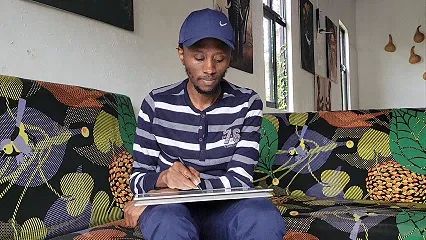
Jero had the expertise to host a strong podcast. He did not have 10-15 hours a week to produce one.
Podcasting offered a way to build authority in BIM and infrastructure innovation, but traditional production work would have buried Jero under research, outreach, scheduling, editing, metadata, and distribution tasks.
Severe time constraint
Jero could realistically commit about one hour per week, mostly for the guest conversation itself.
Specialized industry context
BIM and infrastructure required informed guest research, precise terminology, and credible talking points.
Guest acquisition burden
The show needed a steady pipeline of relevant executives, practitioners, technology leaders, and industry experts.
Production quality risk
Poor audio, weak show notes, inconsistent cadence, or generic questions would undercut thought-leadership positioning.
Build a production engine where Jero only had to show up for the conversation.
I handled the invisible weekly workload: guest prospecting, outreach, interview preparation, recording coordination, editing, platform publishing, and promotional support.
Time-optimized production model
Kept Jero's work to recording, quick talking-point review, and occasional feedback.
Strategic guest research
Qualified guests by relevance, credibility, audience value, conversation potential, and realistic accessibility.
LinkedIn outreach framework
Used personalized connection requests, value-first engagement, tailored invitations, and respectful follow-up.
Professional post-production
Handled cleanup, pacing, intro/outro elements, metadata, show notes, and distribution-ready exports.
The podcast became sustainable because the hard parts no longer sat on Jero's desk.
A repeatable workflow made podcast production sustainable alongside Jero's executive responsibilities.
Jero received talking points, held a natural conversation, sent the recording, and let production continue around him.
Research and outreach created a path to BIM leaders, infrastructure executives, and construction technology innovators.
Polished audio, thoughtful questions, and platform-ready metadata supported credibility with a technical audience.
Most production work shifted away from Jero, preserving his time for expertise, relationships, and strategy. The outcome is confidence plus execution: the client knows what changed, why it matters, and what to do next.
A weekly cadence built around minimum host friction.
The process treated consistency as an operations problem: fewer open loops for the host, better preparation before every recording, and a clear path from guest idea to published episode.
Jero's language centered on ease: talking points, casual conversation, send the recording. That was the intended outcome of the entire production system.
The stack behind the podcast engine.
The workflow combined research, outreach, scheduling, editing, metadata, and publishing systems into a single production process.

Tracked prospects, outreach status, episode topics, recording dates, and notes.

Personalized connection requests, guest invitations, and relationship-building follow-up.

Guest background, topic sequence, specific questions, and follow-up prompts.
Calendar management, platform instructions, reminders, and upload workflow.
Noise reduction, EQ, compression, normalization, pacing edits, and branded intros/outros.
Episode titles, descriptions, timestamps, resources, transcripts, and platform search terms.
Frameworks that informed the strategy.
I drew on six relevant certifications and training areas to shape the production, outreach, content, and discoverability strategy.

Thought-leadership positioning, audience-first episode planning, and educational content structure for each interview.
Relationship-first growth principles behind guest outreach that led with relevance, credibility, and mutual value.
Promotion and distribution thinking for turning each published episode into supporting social content and network visibility.
Persuasive messaging fundamentals used in guest invitations, episode descriptions, and clear listener-facing hooks.
Search basics applied to podcast titles, descriptions, show notes, keywords, and discoverability metadata.

Digital marketing foundations supporting the full path from audience research to publication and distribution.
A thought-leadership podcast needs a production partner as much as it needs a host.
Busy experts often understand the strategic value of podcasting, but the hidden workload prevents consistency. The weekly burden lives in research, outreach, coordination, editing, and distribution, not just recording.
Jero's case shows how a turnkey system can protect the host's time while still producing credible, specialized content for a technical audience.
Let's build the guest pipeline, talking-point system, editing workflow, and publishing cadence so you can focus on the conversations.
Real industry expertise, buried under 10-15 hours of weekly production work.
Without Edd
- Research, outreach, editing, and distribution keep consuming the one hour Jero can actually spare
- Guest acquisition stays a constant scramble with no steady pipeline of relevant experts
- Poor audio or generic questions risk undercutting the thought-leadership positioning the show needs
- The show risks going inconsistent or stalling out entirely under the hidden weekly workload
What Actually Happened
- A time-optimized model kept Jero's job to recording and a quick talking-points review
- Strategic guest research and LinkedIn outreach built a steady, qualified guest pipeline
- Professional post-production handled cleanup, pacing, metadata, and distribution-ready exports
- Jero could "always squeeze in one hour" because everything else ran without him